
The Poison Dollys: The Metal Band that Metal Couldn’t Handle
Courtesy of Amy “Roulette” Brammer
Just outside the mainstream, the Dollys made history in the indie metal underground
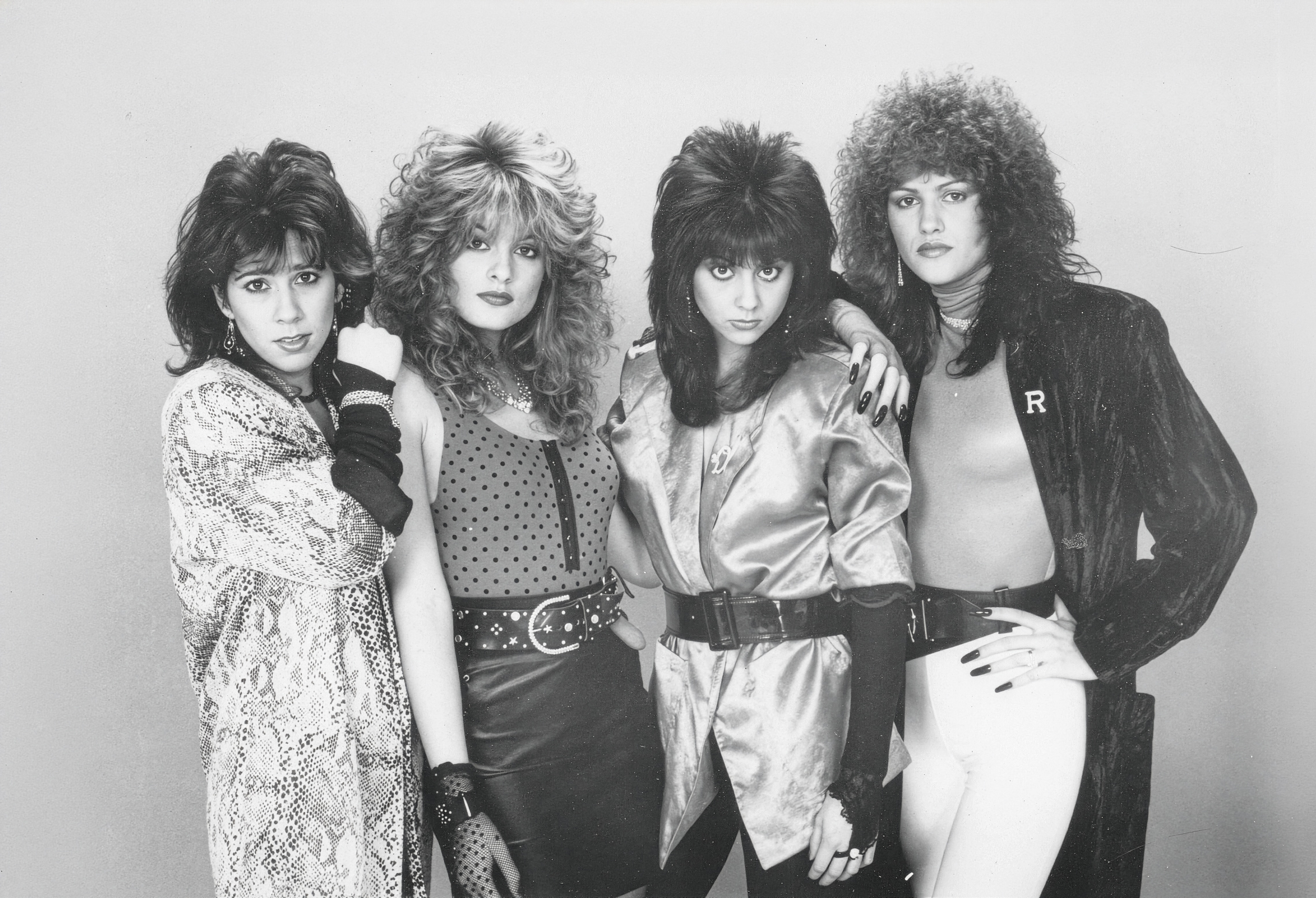
When the Poison Dollys emerged from the Long Island metal scene in the early 1980s, they brought something unmistakably fresh: an all-female lineup delivering serious musicianship, tight songwriting, and performances that resonated deeply with audiences. In clubs dominated by big-haired male bands playing more covers than originals, the Dollys carved out space for freshly-penned material. Underground listeners responded immediately.
“People came to see this quote/unquote all-girl band, but stayed because we were good,” says Dollys lead singer Amy “Roulette” Brammer. “We had skills and solid songs.”
The indie buzz made its way to Peter Casperson, who recently launched Invasion—an artist-centric management company and record label that fostered early-career talent through the messiness of the music industry, from recording and publishing through publishing and distribution. While common today in the world of indie music, this type of soup-to-nuts style of artist support was still fairly novel at the time.
What Peter saw was a raw energy that couldn’t be manufactured. He assembled a recording team that should have been impossible for a young band—enlisting Atlantic Records producer Roger Probert and engineer Ray Bardani, who had just recorded two hit albums for Luther Vandross. Sessions were held north of New York City at Minot Studios, which hosted legends like Diana Ross, Chaka Khan, Rainbow, and Blue Oyster Cult.
“We put together studio sessions you’d normally need a major label budget for,” Peter says. “But we need the opportunity to capture the force of their live shows. Alongside their look and attitude, it was their sound that set them apart.”


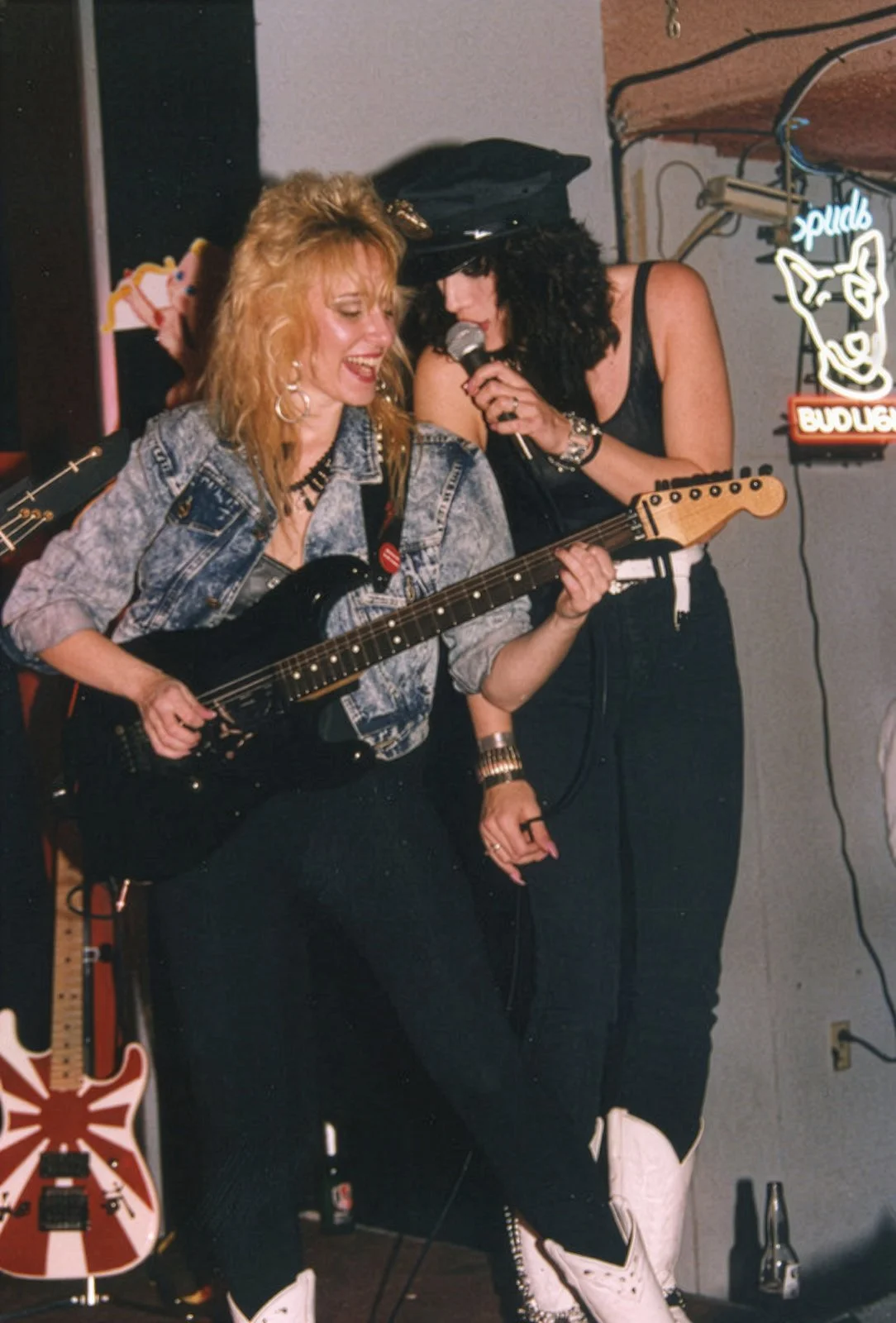
Recording at night in Manhattan after their day jobs, the Dollys put together a powerful, hook-driven debut album with a sound strong enough to land them opening slots with the era’s biggest names. It was the kind of break most young musicians only dreamed about.
“We opened for Aerosmith on New Year’s Eve in Boston around ’85 or ’86 during their first shows after reuniting. Then they took us on tour,” Amy says. “Imagine looking to the side of the stage and seeing Aerosmith jumping up and down watching you. Surreal.”
“In no way does success in the music industry define talent. Artists have to love music for its own sake. Fame and recognition and money is the long shot. You just have to be out there. The Poison Dollys are a perfect example of that.”
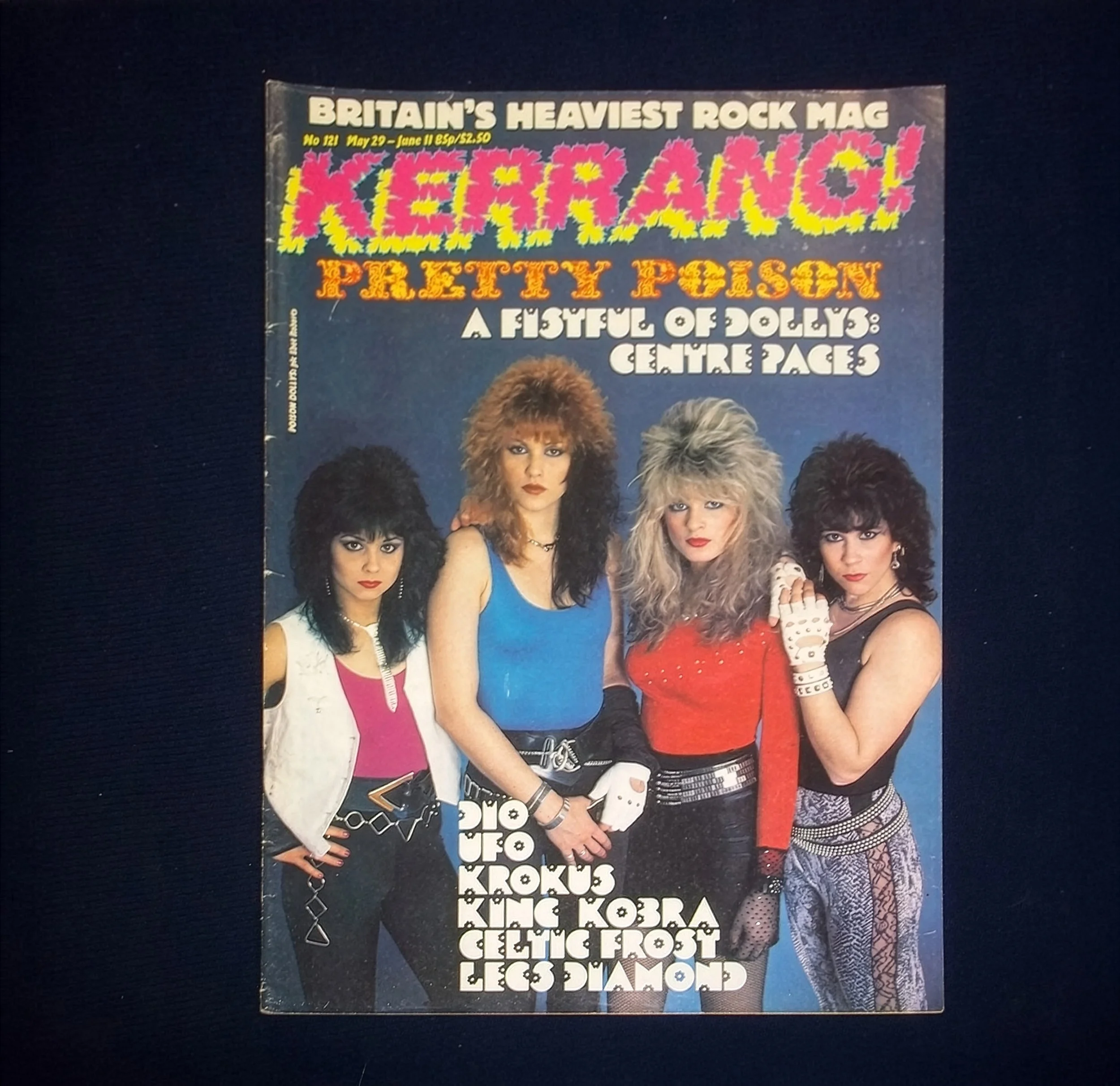
In spring 1986, the Dollys made the cover of Kerrang!—the first time the UK metal magazine featured a truly indie act, one not signed to a major label. Newly anointed by the press, the band gained more exposure opening for big-name acts like Nazareth and Foghat. “We even got to open for Motörhead multiple times. Lemmy loved us and asked us to play,” Amy recalls, laughing about the legendary bassist’s fondness for her mom, who’d occasionally hang out backstage.
After touring the first album, the Dollys hit a stumbling block as founding guitarist Gina Stile exited the group to launch a solo career. Fellow Long Islander rocker Laura Left took over guitar duties in time for the band’s appearance in the cult horror film The Rejuvenator, performing two original songs during a marathon overnight shoot in a Brooklyn warehouse. The Dollys returned to the studio to record four tracks with a pre-fame Kip Winger.
Playing shows around the New York area and practicing relentlessly, the band eventually relocated to Los Angeles and the lure of Sunset Strip—then the epicenter of all things metal. The move proved challenging: higher rents, pay-to-play venues, and fierce competition among other artists.
“When we got to the West Coast,” Laura remembers, “we went from having a very popular standing in New York to being a little fish in a gigantic pond. But L.A. was where everyone was if you wanted to make it.”
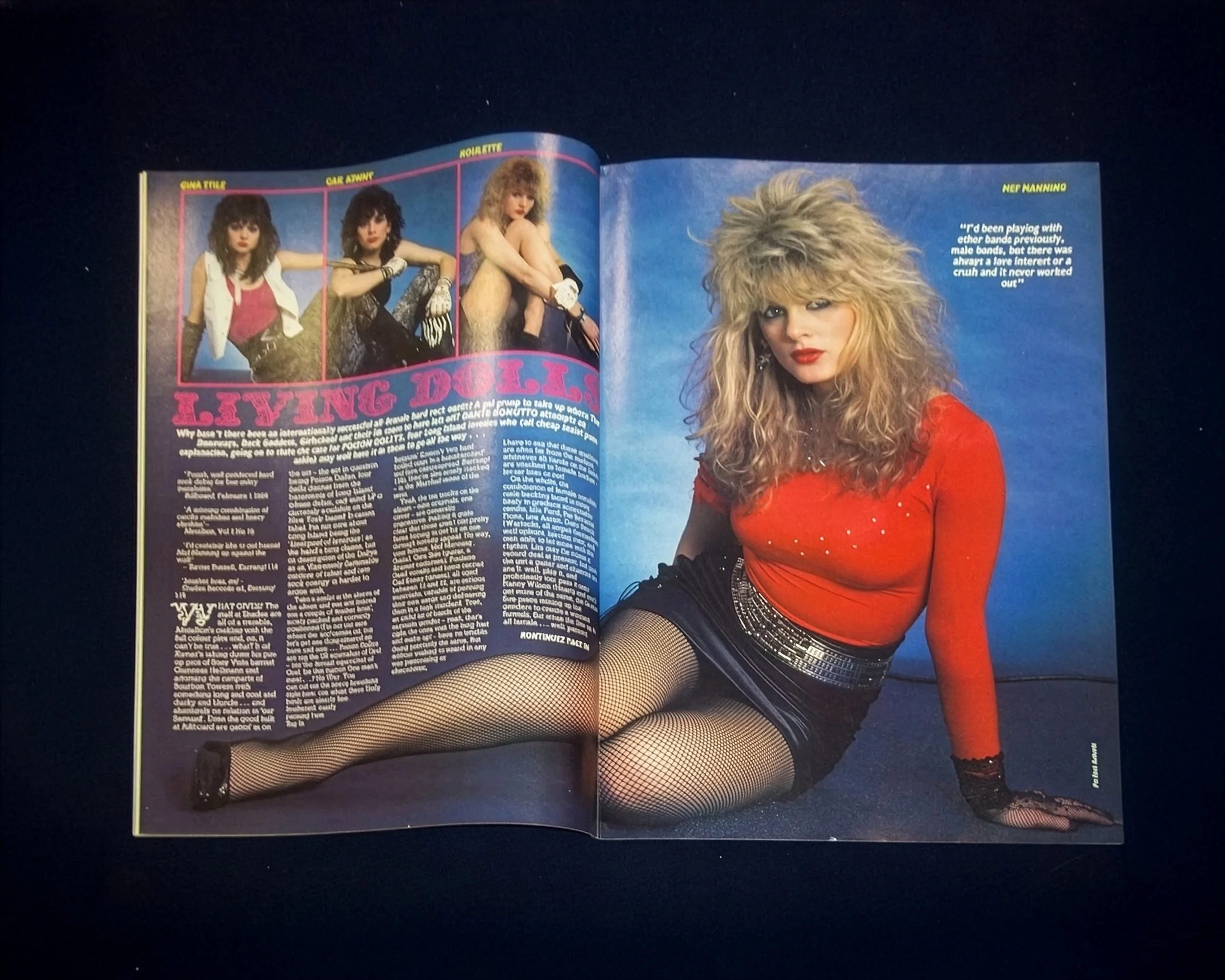
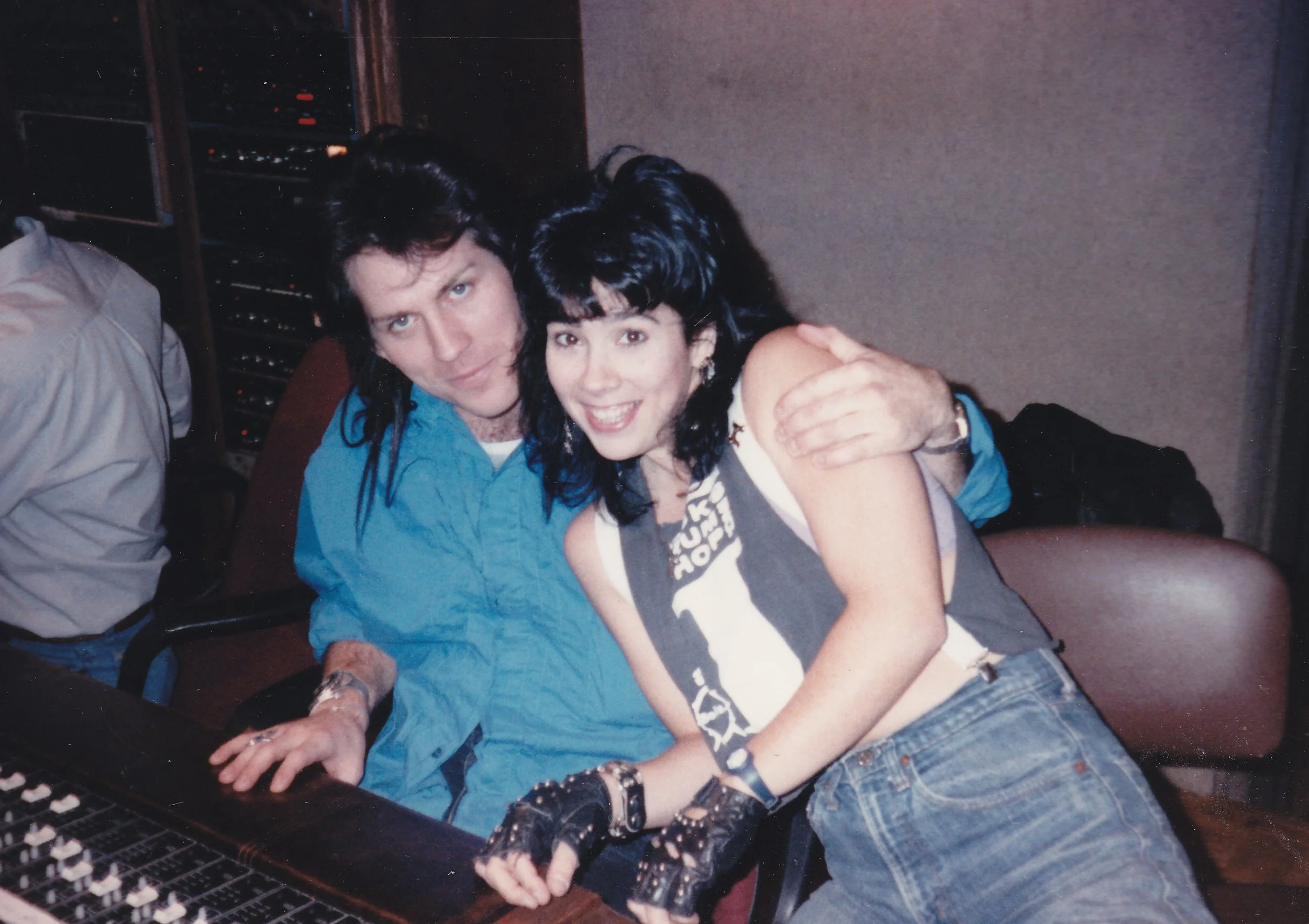

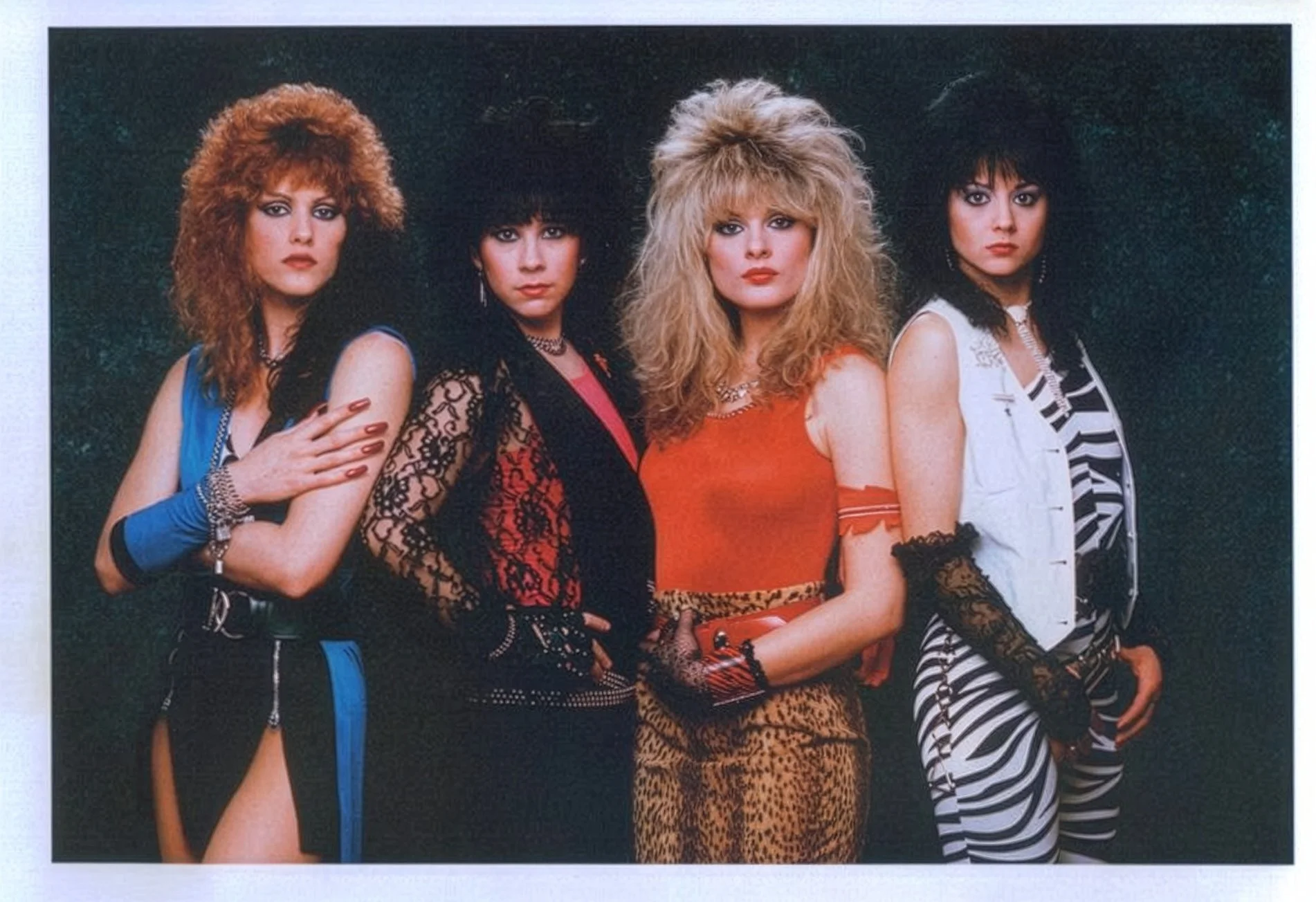
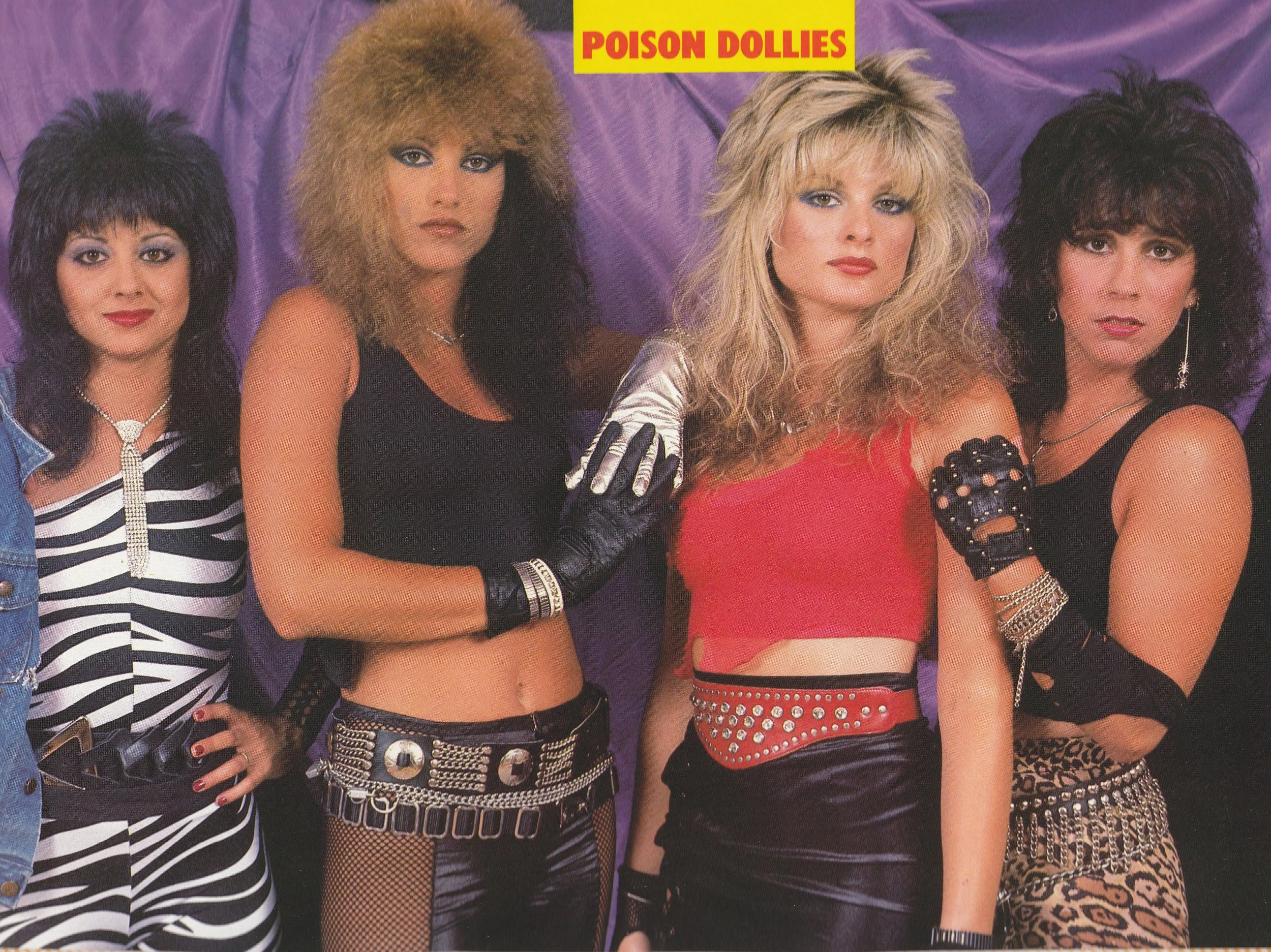
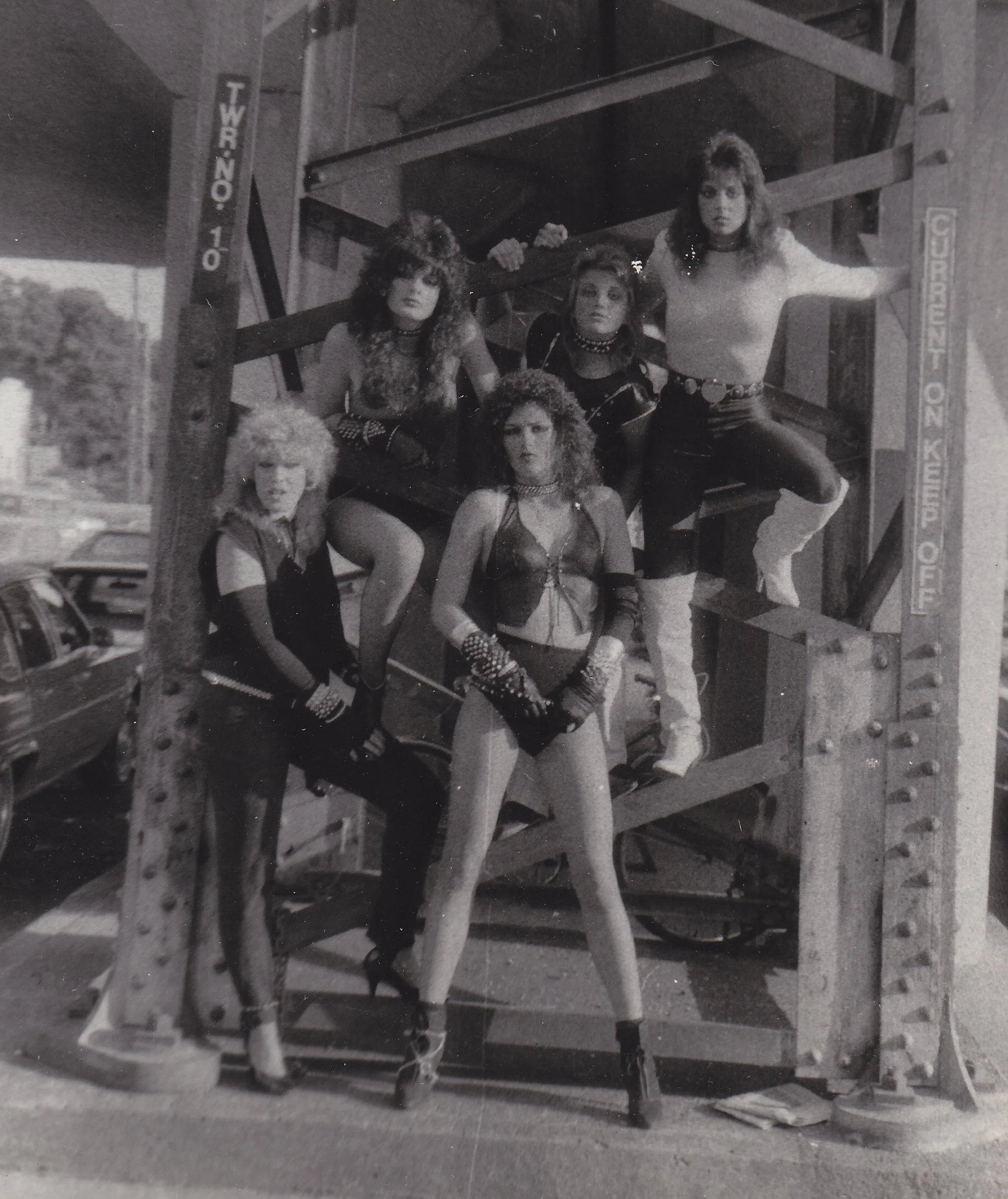
To make ends meet, the band managed themselves and booked their own gigs in a notoriously chauvinistic metal scene.
“We’d have shows where the guys would just stand there yelling, ‘Take off your shirts!’ It was degrading.” Laura says. “We had to try to ignore all that.”
Despite the pressures—and persistent sexism—the Dollys’ performances never wavered. They won over crowds, battled stage sabotage from rival acts, and even found themselves demoing tracks in a North Hollywood studio while Metallica recorded The Black Album in the next room. (James Hetfield would pet Amy’s Pomeranian dog in the studio hallway between sessions.) Moments like these underscored how close they were to a breakthrough, despite overwhelming obstacles.
“L.A. was both exciting and terrifying at the same time,” Laura says, “Amy and I wound up getting a place together. Our drummer decided she didn’t want to do it anymore, so we had to get someone new on drums... Then I wound up developing multiple sclerosis, trying to push through the pain of playing guitar. It was insanity.”
While the Dollys never formally started a second album, they secured studio time as they could afford it. The band soon started to drift in separate ways, although they never formally broke up. Amy began working full time in the film industry, while bassist Mef Manning returned to the East Coast. Laura studied meteorology at UCLA and eventually started a career as a weather analyst in Florida.
Flash forward to 2022 when French metal label Bad Reputation approached the band about remastering the first Dollys album, which has become a respected, unsung classic of the era. Digging through her archives, Amy unearthed a trove of unreleased recordings from the band’s New York and LA days, now polished up and included on a second disc of their re-released debut.
“Hearing Amy’s voice still gives me chills,” says Laura. “Those songs still play in my head. I’m an incredibly lucky person because I got to do what I dreamed of doing with an amazing group of women. That band was a huge, important part of my life.”
Laura, Amy, and Peter agree that the resurgence of interest in the Dollys is more than nostalgia. It’s long-overdue recognition.
“In no way does success in the music industry define talent,” notes Peter. “Artists have to love music for its own sake. Fame and recognition and money is the long shot. You just have to be out there. The Poison Dollys are a perfect example of that.”
_____
The Poison Dollys’ self-titled 1985 debut has been remastered and reissued by Bad Reputation. The 2-CD re-release is available in the US through Invasion Merch.